Acmhainní do Mhúinteoirí | Heritage in Schools

Acmhainní do Mhúinteoirí

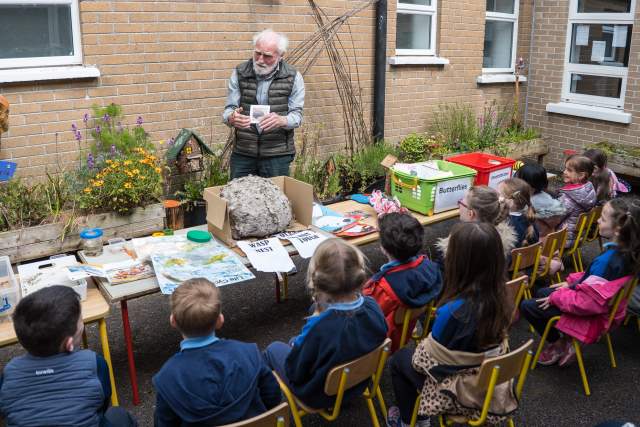
Múin do do dhaltaí conas nead ollmhór a thógáil, conas gairdín féileacán a chruthú nó conas a gcraobh ghinealaigh féin a dhéanamh!

Maidir leis na hacmhainní atá á soláthar anseo, Saineolaithe Oidhreachta nó múinteoirí a chuir ar fáil iad nó eagraíochtaí eile oideachais a d’ullmhaigh iad. Acmhainní de chineál spraoi agus oideachais araon atá ann agus tá siad ceaptha chun tuiscint agus fiosracht a spreagadh agus a fhorbairt maidir le hoidhreacht iontach nádúrtha agus cultúir na hÉireann.

Is féidir acmhainní a chuardach faoi na catagóirí seo a leanas:

Feasacht faoin timpeallacht agus cúram don timpeallacht (tíreolas/eolaíocht)

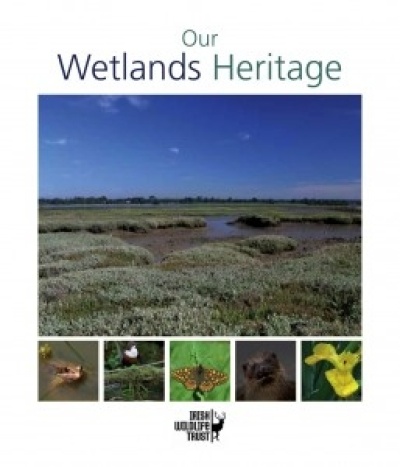
Our Wetlands Heritage

Timpeallachtaí Nádúrtha (Tíreolas), Feasacht faoin timpeallacht agus cúram don timpeallacht (tíreolas/eolaíocht), Nithe beo (eolaíocht) Eolaíocht, Tíreolas

This booklet explores Ireland's wetland wildlife - everything from dragonflies, butterflies, frogs and newts to wetland birds, right up to our largest carnivore - the otter.

It also the ecosystems that wetlands provide, the associated threats and measures to ensure wetland protection for the future.

Old Stone Walls

Staidéir áitiúla (stair), An saol, an tsochaí, obair agus cultúr san am atá caite (stair), Leanúnachas agus athrú thar am (stair), Feasacht faoin timpeallacht agus cúram don timpeallacht (tíreolas/eolaíocht), Ábhair (eolaíocht) Stair

In the twentieth century, concrete walls gradually replaced traditional stone walls. In the past, the building material for walls was stone, usually from local quarries. Download the Old Stone Walls information sheet below for more information.

My First Book Of Irish Animals

Feasacht faoin timpeallacht agus cúram don timpeallacht (tíreolas/eolaíocht), Nithe beo (eolaíocht) Eolaíocht

My First Book of Irish Animals is written by our very own Heritage Expert, Juanita Browne! The book is aimed at introducing young children to the wonderful world of Irish wildlife.  Filled with fascinating facts and beautiful illustrations by Irish artist, Aoife Quinn, this book will capture the imagination of young children.

The book includes a range of Irish species, such as the red squirrel, hedgehog, pygmy shrew, rabbit, Irish mountain hare, Irish stoat, pine marten, red fox, and the various species of deer, bats, seals, whales and dolphins. There is also a section on tips to support wildlife and to help your pupils connect with nature.

Also, your purchase supports Irish wildlife, for each copy sold, the Irish Wildlife Trust will receive a commission from Juanita.  The book costs €9.99, plus €2.50 doe postage and packaging.

Make A Pop-Up Landscape

Timpeallachtaí Nádúrtha (Tíreolas), Scéal (Stair), Feasacht faoin timpeallacht agus cúram don timpeallacht (tíreolas/eolaíocht), Ábhair (eolaíocht) Ginearálta

Pop-up cards are a popular and often enchanting way of drawing ideas together or giving people a chance to integrate their new knowledge of an idea or a place into a quick creative form. There are lots and lots of folds and movements you can use.

Make A Concertina Book

Timpeallachtaí Nádúrtha (Tíreolas), Timpeallachtaí Daonna (Tíreolas), Scéal (Stair), Pobail luathaoise agus scéalta ársa (stair), Leanúnachas agus athrú thar am (stair), Feasacht faoin timpeallacht agus cúram don timpeallacht (tíreolas/eolaíocht), Ábhair (eolaíocht) Eolaíocht, Stair, Tíreolas

This book is quick and easy to make, yet still offers flexibility and potential for children to create their own unique versions. They can be used for everything from storytelling to making guidebooks about a local wood or museum, what they put into your book is up to you!

Leaves and Trees

Timpeallachtaí Nádúrtha (Tíreolas), Feasacht faoin timpeallacht agus cúram don timpeallacht (tíreolas/eolaíocht), Nithe beo (eolaíocht) Eolaíocht

Trees are more than just a place for birds to rest! They give air, food, shelter, warmth. It may look like trees just stand around and do nothing. Actually, they are very busy doing a variety of jobs that are essential to animals and the environment.

Things To do
1.    A nature ramble to the local park to collect different types of leaves and see if the children can match them to the Leaf Hunt worksheet below or if this not possible bring in some leaves and see if the children can match them.
2.    Repeat this exercise in all four seasons and explain the differences in the colours and shapes
3.    Take part in National Tree Week and plant a tree in the school grounds.

Kilkenny Water

Timpeallachtaí Nádúrtha (Tíreolas), Feasacht faoin timpeallacht agus cúram don timpeallacht (tíreolas/eolaíocht), Nithe beo (eolaíocht) Eolaíocht, Stair, Tíreolas

The city of Kilkenny is built on the River Nore. The name 'Nore' in Irish is An Fheoir, which probably means the boundary. The river rises far to the north in the Slieve Bloom Mountains between counties Laois and Offaly. The monastery, cathedral and small town which existed before the Norman invasion was built on the west bank of the river. Today the Nore is crossed by three bridges – Green’s Bridge, John’s Bridge and Ossory Bridge.

Download the resources below to explore the history, science and geography relating to Kilkenny’s water.

Eureka! The Big Bang Query

Feasacht faoin timpeallacht agus cúram don timpeallacht (tíreolas/eolaíocht), Nithe beo (eolaíocht), Fuinneamh agus fórsaí (eolaíocht), Ábhair (eolaíocht) Eolaíocht

Comedy and science collide as host, Neil Delamere puts team captains, PJ Gallagher and Dr Aoibhinn Ní Shúilleabháin and their teams of comedians and science personalities through their paces, in this original science-comedy quiz.

Each show sees host Neil Delamere risk life and limb to celebrate the greatest ‘Eureka Moments’ of our time – he channels 4 million volts of electricity and shoots lightning out of his fingertips (and a couple of other places while he’s at it), he creates an earthquake in Westmeath, undergoes astronaut training in a human centrifuge and goes freediving in a freezing quarry – all in the name of science.

Eureka! The Big Bang Query was made with the support of Science Foundation Ireland and the Broadcasting Authority of Ireland.

Grow Some Celtic Cress

Feasacht faoin timpeallacht agus cúram don timpeallacht (tíreolas/eolaíocht), Nithe beo (eolaíocht) Eolaíocht

Get the children to recognise what they are eating and were it comes from. Explaining the difference between root and leaf vegetables and the importance of eating their five a day.

Things To do
1.    Grow Celtic Cress (this will take about 4-5 days).

What you will need:
1.    Cress seeds, paper towels and a flat plate.

What to do:
1.    Download the Celtic Cress worksheet below and cut out the first initial of the student’s name.
2.    Wet some towels until they are soaking.
3.    Lay the letter shape onto the towels.
4.    Sprinkle lots of cress seeds in the letter shape. Make sure you cover the whole of the letter shape. Press the seeds down gently.
5.    Lift the letter shape, leaving the seed shapes. Place the plate in a warm sunny spot.
6.    Use a spoon to water around the letter shapes every day. Don’t put water on the seeds.
7.    Watch them grow (around 4-5 days). When the cress is as long as your finger, cut it off and eat it!

Grow A Flower

Feasacht faoin timpeallacht agus cúram don timpeallacht (tíreolas/eolaíocht), Nithe beo (eolaíocht) Eolaíocht

Not just a pretty face. Flowers can change the world, learn how plants reproduce, and many insects would die without this vital source of nutrients. A flower is the part of the plant that makes the seeds. The main parts of a flower are the carpals and stamens. These parts are often found in the centre of the flower. There are egg cells in the carpel and pollen cells in the stamen. All flowers have four basic parts: sepals, petals, carpals and stamen. Different flowers have different numbers and shapes of these parts.

Things To do
1.    Download the Flower Parts worksheet below and name the parts of a flower.
2.    Grow a plant from seed (this will take about 2 - 3 weeks).

What you will need:
1.    A clean glass jar, paper napkins

What to do:
1.    Rinse the jar in cold water. Empty it out - but do not dry it.
2.    Fold a paper napkin in half, curl it into a circle and slip it inside the jar.
3.    Press the napkin against the side of the jar (let it soak up the remaining water residue).
4.    Peel back part of the napkin and push three seeds (broad bean seeds are good for this) evenly spaced around the inside of the glass jar.
5.    Wet the napkins with lots of water.
6.    Put the jar in a bright warm place (the windowsill is perfect!).
7.    Add water often to keep the napkins wet.
8.    The roots will start to grown first and then the shoots.

Coilte Trees

Timpeallachtaí Nádúrtha (Tíreolas), Feasacht faoin timpeallacht agus cúram don timpeallacht (tíreolas/eolaíocht), Nithe beo (eolaíocht) Eolaíocht, Tíreolas

Coillte, Ireland’s leading forestry company, welcomes you to the huge range of recreation opportunities they provide at many of their sites across the country. You can access miles of walking, hiking, multi access, and long distance trails, enjoy the thrill of cycling new world class bike trails, fish, picnic, watch wildlife, launch your canoe on the rivers, visit megalithic sites or just sit and enjoy the outdoors. The choice is yours.

Things to do
1.    Visit a local forest - you can find a list of forests and trails in your area here.
2.    Here you can download information and worksheets about trees. These worksheets are suitable for primary school children and are a fun way for children to learn about trees and the environment. Learn more about trees here.