School Garden
Lots of easy to understand information on planting, sowing and soil preparation for kids, and some great ideas for garden-related craft.
Múin do do dhaltaí conas nead ollmhór a thógáil, conas gairdín féileacán a chruthú nó conas a gcraobh ghinealaigh féin a dhéanamh!
Maidir leis na hacmhainní atá á soláthar anseo, Saineolaithe Oidhreachta nó múinteoirí a chuir ar fáil iad nó eagraíochtaí eile oideachais a d’ullmhaigh iad. Acmhainní de chineál spraoi agus oideachais araon atá ann agus tá siad ceaptha chun tuiscint agus fiosracht a spreagadh agus a fhorbairt maidir le hoidhreacht iontach nádúrtha agus cultúir na hÉireann.
Is féidir acmhainní a chuardach faoi na catagóirí seo a leanas:
Lots of easy to understand information on planting, sowing and soil preparation for kids, and some great ideas for garden-related craft.
Water, water everywhere and not a drop to drink! Explaining sea water.
TuilleadhLeigh níos lúThings To do
1. Explain the difference between fresh water and sea water. And try some of these experiments.
How do we know that there is salt in the sea water?
You will need:
Directions:
2. Is it easier to float in the ocean or in fresh water?
You will need:
Directions:
As top predators, birds of prey, or ‘raptors’ have long been recognised as important indicators of the health of our environment. They are an essential component of a natural and well-balanced countryside. Their position at the top of the food chain also means that raptors are can be used to demonstrate a diverse range of environmental issues
TuilleadhLeigh níos lúHowever, more importantly, these top predators command a special interest and respect, particularly with children. Clare, Galway and Tipperary County Councils have collaborated with BirdWatch Ireland and with support from the Heritage Council, have developed workbooks for primary schools focused on the amazing birds of prey in Ireland, from the smallest - which is a falcon called the Merlin, to the largest - which is the enormous White-tailed Eagle.
Through animations, ecological information, fun facts and games, the different raptor species are used to introduce and explore topics such as ecosystems, food chains, conservation threats, and the importance of a healthy environment.
Watch this video piece on Hen Harriers produced by Birdwatch Ireland which was filmed in the Slieve Aughty Mountains, Co. Galway.
This sheet provides some word activities relating to nature that work quite well on their own or you might like to use with the class after a nature walk.
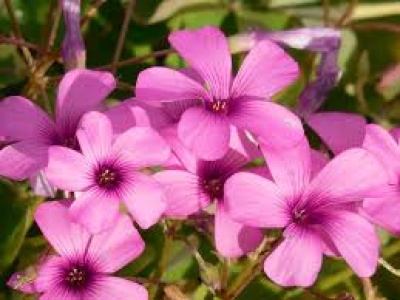
Spring flowering plants project: can you help by submitting records of these 14 plants to the national database in 2017. Click on photos to see full accounts for each species. This recording initiative is a collaboration between the National Biodiversity Data Centre and the BSBI.
This sheet contains some lovely ideas for creating an adventure with your class when out on a walk. Suggestions include questions you might ask the group, activities you can try out or simply some things to highlight to the children as you go along.
These fun and colourful pocket guides are great for kids to bring with them when out and about in nature. Titles include Have Fun with Fungi, Sow Some Wild Flowers and Tune into the Dawn Chorus.
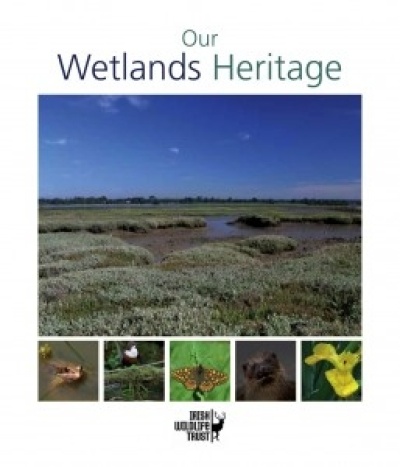
This booklet explores Ireland's wetland wildlife - everything from dragonflies, butterflies, frogs and newts to wetland birds, right up to our largest carnivore - the otter.
TuilleadhLeigh níos lúIt also the ecosystems that wetlands provide, the associated threats and measures to ensure wetland protection for the future.
Notice Nature is Ireland's public awareness campaign on biodiversity which aims to raise awareness of the importance of biodiversity and to encourage everyone to play their part in its protection. Their website has a great resource section for children which includes live animal web-cams, posters, information, games and puzzles.
My First Book of Irish Animals is written by our very own Heritage Expert, Juanita Browne! The book is aimed at introducing young children to the wonderful world of Irish wildlife. Filled with fascinating facts and beautiful illustrations by Irish artist, Aoife Quinn, this book will capture the imagination of young children.
TuilleadhLeigh níos lúThe book includes a range of Irish species, such as the red squirrel, hedgehog, pygmy shrew, rabbit, Irish mountain hare, Irish stoat, pine marten, red fox, and the various species of deer, bats, seals, whales and dolphins. There is also a section on tips to support wildlife and to help your pupils connect with nature.
Also, your purchase supports Irish wildlife, for each copy sold, the Irish Wildlife Trust will receive a commission from Juanita. The book costs €9.99, plus €2.50 doe postage and packaging.
This book is quick and easy to make, yet still offers flexibility and potential for children to create their own unique versions. They can be used for everything from storytelling to making guidebooks about a local wood or museum, what they put into your book is up to you!
Pupils can bring these handy little sheets out and about with them on their nature walks, encouraging them to engage with the environment around them. Activities include Bird Food Bingo, Leaf Hunting Sheet and Wild-Day Out.
Bugs! In all shapes and sizes, big ones, small ones, long one, tall ones, slow ones, quick ones, with over 1 million known species, it’s time we got to know our neighbours a little better.
TuilleadhLeigh níos lúUse this task to develop the children’s awareness of these little critters and the great job they do in keeping our ecosystem going: pollinating flowers and crops, aerating and nourishing the soil, providing food for other wildlife and generally maintaining the balance of nature. It also introduces the children to bugs and insects in a non-threatening manner.
Things To do
1. Find little monsters! Download the Little Monsters worksheet below and bring the children out to the school grounds or local park and ask them to find (but not touch!) the insects and bugs on the sheet.
Trees are more than just a place for birds to rest! They give air, food, shelter, warmth. It may look like trees just stand around and do nothing. Actually, they are very busy doing a variety of jobs that are essential to animals and the environment.
TuilleadhLeigh níos lúThings To do
1. A nature ramble to the local park to collect different types of leaves and see if the children can match them to the Leaf Hunt worksheet below or if this not possible bring in some leaves and see if the children can match them.
2. Repeat this exercise in all four seasons and explain the differences in the colours and shapes
3. Take part in National Tree Week and plant a tree in the school grounds.
There are several medieval churches still to be seen in Kilkenny City. St. Canice’s Cathedral is the most complete. It is called a cathedral because it was built as the principal church of the diocese. It was the special church of the Bishop of Ossory and he had his seat there. This was an actual chair which was called cathedra in Latin. St. Mary’s Church was the Parish Church of Kilkenny in the middle ages
TuilleadhLeigh níos lúThere were three churches which belonged to religious orders: The Black Abbey was part of the Dominican Priory. Besides the church which you can see today, there were lots of other buildings where the priests and lay brothers lived and worked. It also owned some land and had a mill on the river Bregagh. It lay outside the walls of Kilkenny, but was connected to the rest of Kilkenny by a gate. St. Francis Abbey was a Franciscan Friary. Part of its church can be seen from the main gate of Smithwick’s Brewery. This is only part of the original church and there were other buildings, now gone.
Franciscans and Dominicans were known as Mendicant Orders. A mendicant is someone who begs. The mendicant orders were founded to preach the gospel and to serve the poor. Instead of living off the produce of land which they owned, the Mendicant Orders got much of their income from the ordinary people. St. John’s Priory was an Augustinian priory. It was also the Parish Church of St. John’s Parish on the east bank of the River Nore.
Download the information sheets below to find out more about Kilkenny’s Medieval churches.
The city of Kilkenny is built on the River Nore. The name 'Nore' in Irish is An Fheoir, which probably means the boundary. The river rises far to the north in the Slieve Bloom Mountains between counties Laois and Offaly. The monastery, cathedral and small town which existed before the Norman invasion was built on the west bank of the river. Today the Nore is crossed by three bridges – Green’s Bridge, John’s Bridge and Ossory Bridge.
TuilleadhLeigh níos lúDownload the resources below to explore the history, science and geography relating to Kilkenny’s water.
iSPY Nature aims to encourage young Irish people to get involved with nature and wildlife. Apart from providing a great range of photos, resources and project ideas, users can record their own wildlife sightings and notes on the interactive site.
Why not plant some clover or other plants that will attract bumble bees into the school garden? There are lots of other tips and tricks for turning your school garden in to a ‘hive of activity’ on the website too!
Lots of fun and colourful activity sheets relating to healthy eating.
Fun for younger age groups with simple, step-by-step instructions for growing the first letter of a child's name using corn seed!
Simple and straightforward directions for growing your own tree from a seed!
Comedy and science collide as host, Neil Delamere puts team captains, PJ Gallagher and Dr Aoibhinn Ní Shúilleabháin and their teams of comedians and science personalities through their paces, in this original science-comedy quiz.
TuilleadhLeigh níos lúEach show sees host Neil Delamere risk life and limb to celebrate the greatest ‘Eureka Moments’ of our time – he channels 4 million volts of electricity and shoots lightning out of his fingertips (and a couple of other places while he’s at it), he creates an earthquake in Westmeath, undergoes astronaut training in a human centrifuge and goes freediving in a freezing quarry – all in the name of science.
Eureka! The Big Bang Query was made with the support of Science Foundation Ireland and the Broadcasting Authority of Ireland.
This BBC resource has lots of interesting facts and information about flowers and fun ideas for related activities, including how to dissect a flower!
Get the children to recognise what they are eating and were it comes from. Explaining the difference between root and leaf vegetables and the importance of eating their five a day.
TuilleadhLeigh níos lúThings To do
1. Grow Celtic Cress (this will take about 4-5 days).
What you will need:
1. Cress seeds, paper towels and a flat plate.
What to do:
1. Download the Celtic Cress worksheet below and cut out the first initial of the student’s name.
2. Wet some towels until they are soaking.
3. Lay the letter shape onto the towels.
4. Sprinkle lots of cress seeds in the letter shape. Make sure you cover the whole of the letter shape. Press the seeds down gently.
5. Lift the letter shape, leaving the seed shapes. Place the plate in a warm sunny spot.
6. Use a spoon to water around the letter shapes every day. Don’t put water on the seeds.
7. Watch them grow (around 4-5 days). When the cress is as long as your finger, cut it off and eat it!